Gym wear affects comfort, movement, and performance every day. Old or worn-out clothing creates distractions during workouts. Many athletes continue using damaged activewear longer than they should. At Athlete Sportswear, durable sportswear supports training at every level. Good activewear should feel comfortable from the first warm-up to the final set.
Here are seven signs that it is time to upgrade your gym wear.
The Fabric Holds Sweat
Old fabric loses its ability to manage moisture. Sweat starts staying trapped inside the material. Shirts feel heavy during cardio sessions. Shorts stay damp long after workouts end.
Modern sportswear uses sweat-wicking fabric that dries faster. This keeps athletes more comfortable during intense training. If your clothes stay soaked after exercise, replacement time has arrived.
The Fit Feels Wrong
Gym wear changes shape after repeated use. Waistbands become loose. T-shirts stretch unevenly. Leggings lose support around the hips and knees. Poor fit affects movement during training. Athletes spend more time adjusting clothing during workouts. Well-fitted sportswear supports confidence and comfort at the same time.
The Stitching Starts Coming Apart
Workout clothing handles constant stress. Seams near the shoulders, waistband, and inner thighs wear down first. Small tears grow quickly during active movement. Loose stitching also causes skin irritation during long sessions. Strong seams are important for durability. Replacing damaged gym wear prevents bigger problems later.
The Fabric Feels Rough
Soft fabric becomes rough after too many washes. This creates discomfort during workouts. Skin irritation becomes more common during running and high-intensity sessions. Quality sportswear should feel smooth and flexible even after regular use. Rough material often signals worn-out fibers.
The Clothes Limit Movement
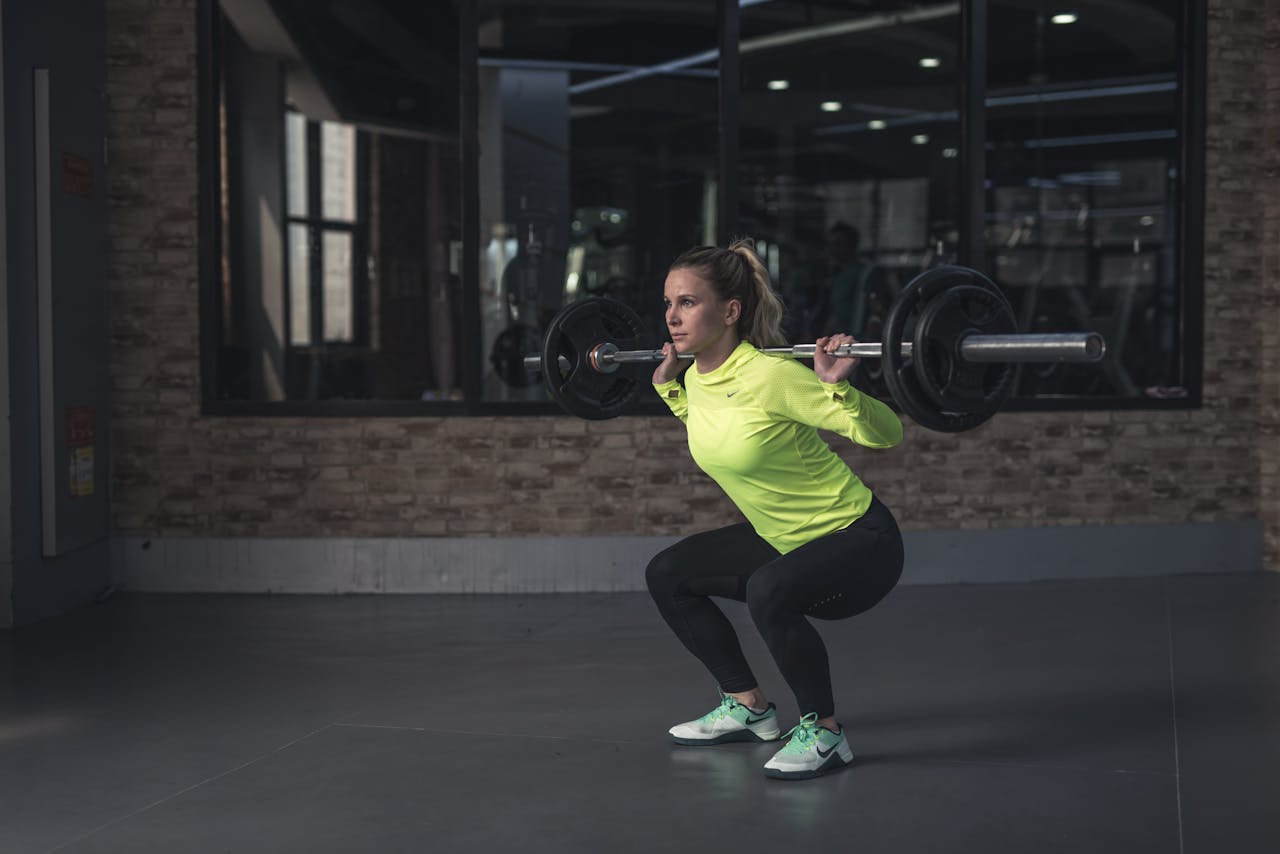
Training requires freedom of movement. Old joggers lose stretch. Tight sleeves restrict shoulder movement. Worn leggings stop supporting flexibility exercises. Athletes notice these issues during squats, lunges, and mobility work. Good activewear should move naturally with the body.
The Clothes Lose Their Shape Quickly
Some gym wear looks worn out after a single wash. Necklines become loose. Fabric wrinkles heavily. Shorts sag during workouts. Strong materials hold shape longer. Better construction also keeps clothing looking sharp after repeated use. Appearance matters because athletes wear activewear beyond the gym today.
You Avoid Wearing Certain Pieces
This sign is simple and important. If you avoid wearing certain gym clothes, there is usually a reason. They feel uncomfortable, outdated, or distracting during workouts. Training gear should help athletes stay focused and confident. Replacing poor-quality items improves the overall workout experience.
How Often Should Gym Wear Be Replaced?
Most activewear lasts six months to two years with regular use. Training frequency matters. Athletes who work out five or six days each week wear through clothing faster. Washing habits also affect lifespan. Cold water and air drying help activewear last longer. Rotating between multiple outfits reduces wear on individual pieces.
Build a Better Gym Wardrobe
Start with essentials. Choose breathable T-shirts, flexible joggers, lightweight shorts, and supportive leggings. Focus on comfort, durability, and fit before trends or logos.
A few high-quality pieces work better than a large collection of low-quality clothing.
Strong activewear supports better training habits over time.
Final Thoughts
Gym wear plays a bigger role than many people expect. Worn-out clothing affects comfort, confidence, and performance during workouts. Watch for signs like trapped sweat, poor fit, damaged stitching, and reduced flexibility. Replacing old activewear helps athletes train with fewer distractions. Good sportswear should feel light, flexible, and durable every time you train.