Compression wear supports muscles during movement. It fits close to the body. It applies steady pressure on muscle groups. This helps training feel more stable and controlled. Athletes and gym users use compression wear for better support. It works during running, lifting, and recovery. It also works during long training hours in hot Indian weather.
What Compression Wear Does
Compression wear fits tightly on the body. It holds muscles in place during motion. It reduces muscle vibration during exercise. Muscle vibration wastes energy. It also increases fatigue. Compression clothing reduces this effect. It supports blood flow during movement. Better circulation helps muscles stay active longer. It also helps reduce stiffness after workouts.
Why Athletes Use Compression Clothing
Athletes train for long hours. They need stable muscle support. Compression wear gives that support. It helps during sprint training. It helps during weight training. It also helps during field sports like cricket and football. It reduces unnecessary movement in muscles. This helps energy stay focused on performance.
Gym Training Benefits
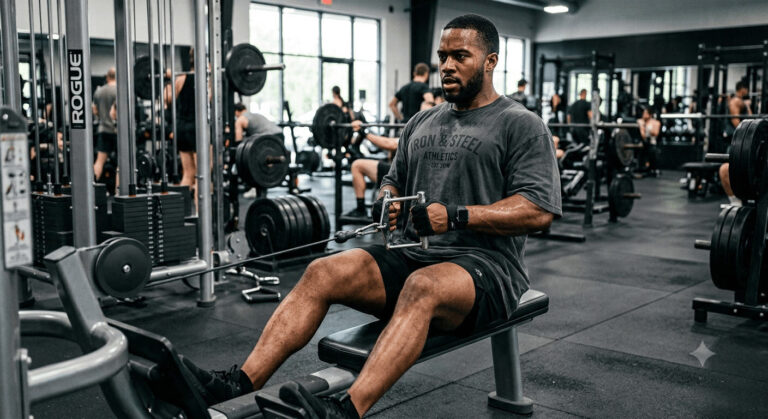
Gym workouts include lifting and resistance training. These movements put pressure on muscles. Compression wear supports this pressure. It helps during bench press and squats. It supports shoulders, arms, and legs. It keeps muscles warm during sets. Warm muscles perform better. They react faster during training. They also recover faster after sessions. Compression t-shirts and tights are common in gyms. They stay firm during movement. They do not shift during exercise.
Running and Endurance Training
Running creates repeated muscle impact. Legs hit the ground many times. This creates stress on calves and thighs. Compression tights reduce this stress. They support muscle alignment. They reduce fatigue during long runs. Runners use compression socks as well. They support blood flow in lower legs. They help reduce swelling after runs. This makes long distance running more stable. It also supports recovery after races.
Recovery After Workouts
Recovery is important in fitness. Muscles need time to repair after training. Compression wear supports this process. It reduces soreness in muscles. It helps blood flow after workouts. It also reduces stiffness in legs and arms. Many athletes wear compression clothing after training. They use it during rest periods. This helps faster recovery between sessions.
Fit and Pressure Levels
Compression wear comes in different tightness levels. Light compression gives mild support. Medium compression gives balanced pressure. High compression gives strong muscle support. Most gym users prefer medium compression. It supports movement and comfort together. It does not feel too tight. Proper fit is important. Loose compression wear does not work well. Very tight wear reduces comfort.
Fabric Used in Compression Wear
Compression clothing uses elastic fibers. Polyester and spandex are common materials. These fabrics stretch and return to shape. Spandex gives flexibility. Polyester gives strength. Together they create stable fit. Mesh panels sometimes improve airflow. This helps reduce heat during workouts. The fabric stays strong after many washes. It keeps shape during repeated use.
Heat and Sweat Control in India
India has high heat in many regions. Compression wear must handle sweat well. Modern compression fabric dries fast. It moves sweat away from skin. It reduces sticky feeling during workouts. Breathable zones help airflow. This is important during summer training. It helps athletes train longer without discomfort.
Use in Different Sports
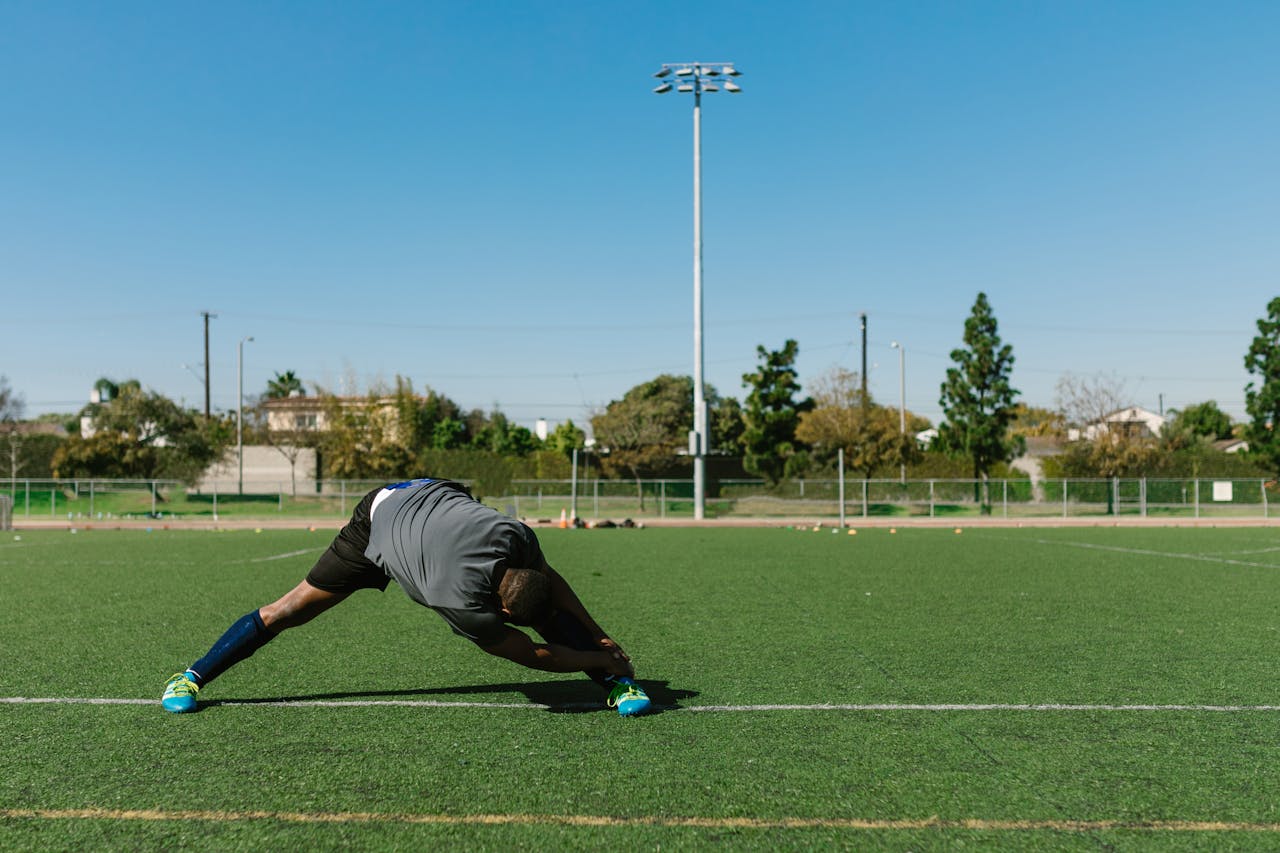
Compression wear supports many sports. Cricket players use it during training. Football players use it during matches. Runners use it for endurance sessions. It also works in gym environments. It supports weight training and cardio workouts. Each sport uses compression in different ways. But the goal stays the same. Support muscles and reduce fatigue.
Injury Prevention Support
Compression wear helps reduce small muscle strains. It keeps muscles aligned during movement. It reduces sudden muscle shifts. This lowers injury risk during training. It supports safer movement patterns. It does not replace proper warm-up. But it adds extra muscle support during activity.
Everyday Gym Use
Many gym users now prefer compression wear. It gives a tight and clean fit. It also looks structured during workouts. It helps during intense sets. It reduces distraction from loose clothing. It keeps focus on training. Compression shorts and t-shirts are common. They support full body movement.
Athlete Sportswear Approach
Athlete Sportswear builds compression wear for real training needs. It focuses on comfort, support, and durability. The brand uses stretch fabric that fits Indian training conditions. It supports gym users, runners, and athletes. The design stays simple. The goal stays performance and comfort.
Maintenance and Care
Compression wear needs careful washing. Cold water keeps fabric strong. Gentle wash protects elasticity. High heat drying weakens fabric. Air drying keeps shape stable. Proper care increases product life. It keeps compression effect strong over time.
Final Thoughts on Compression Wear
Compression wear supports muscles during training. It improves stability and reduces fatigue. It also supports recovery after workouts. It works in gyms, sports fields, and running tracks. It fits many types of training routines. Good compression wear improves comfort and performance. It helps athletes train longer and recover faster.