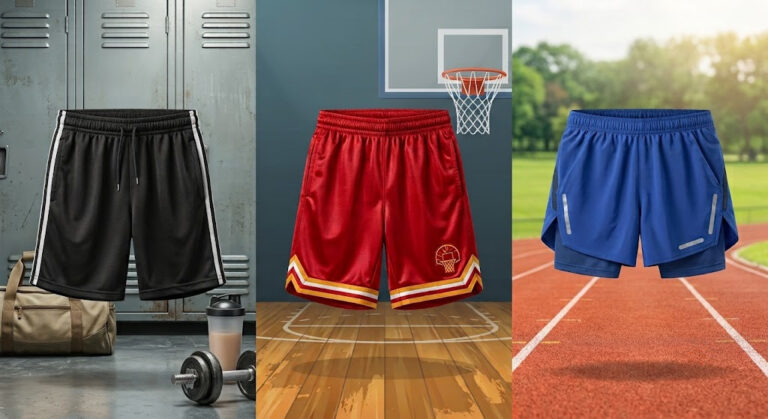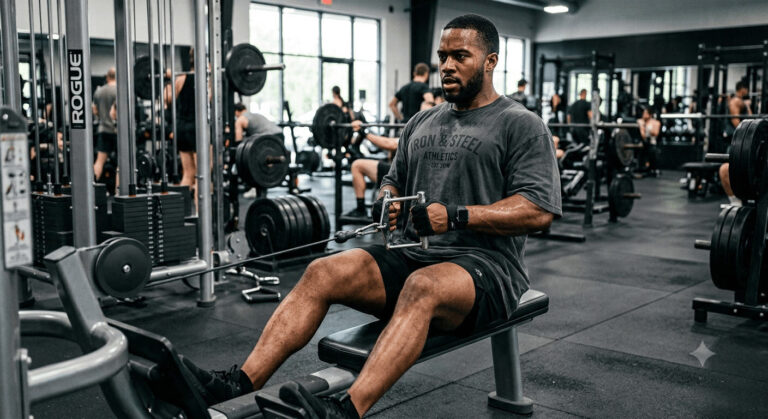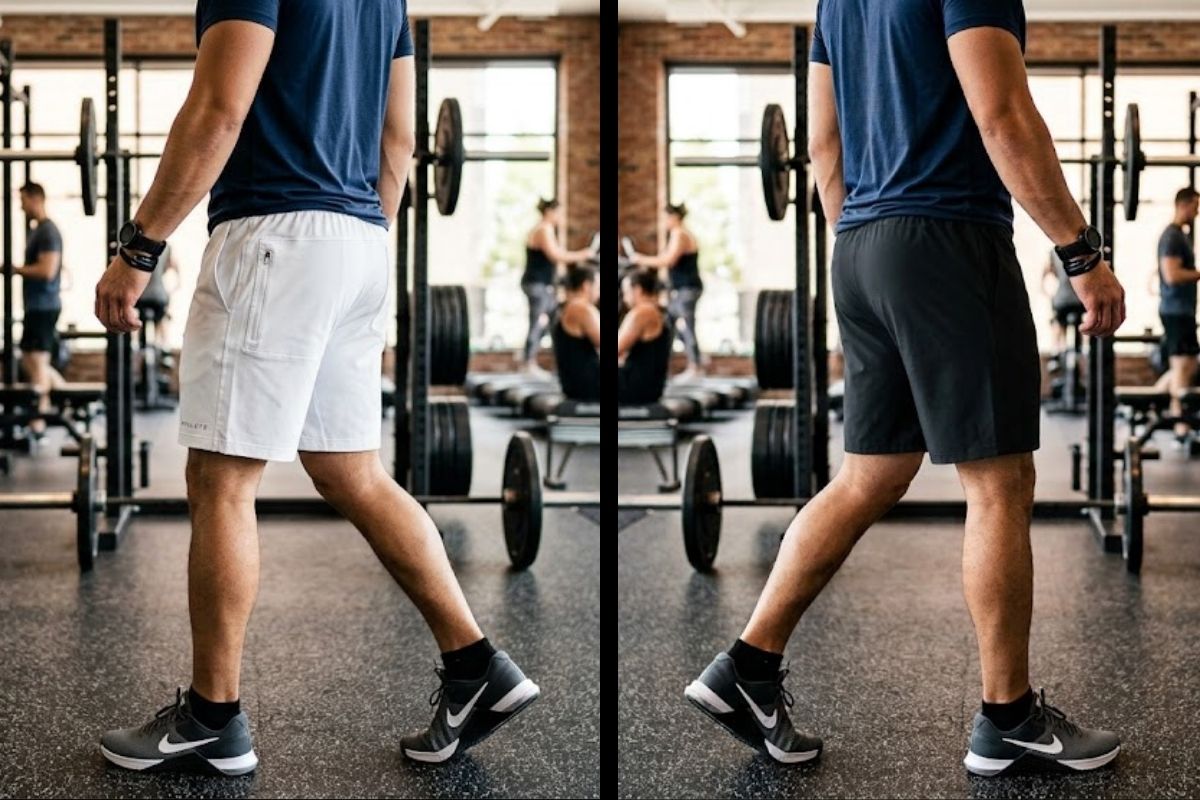
Gym shorts play a key role in daily training comfort. People wear gym shorts for running, lifting, cycling, and general fitness. Small design choices change the training experience. One key choice stands out in gym shorts design. That choice is pockets or no pockets.
Some gym shorts include deep side pockets. Some keep a clean pocket-free design. Both styles serve different training needs. One focuses on storage. The other focuses on movement and control.
This guide compares gym shorts with pockets and gym shorts without pockets. It explains comfort, safety, training use, and daily practicality.
Why Pockets Matter in Gym Shorts
Pockets add storage space during workouts. Many gym shorts include two side pockets. Some include a back pocket or zip pocket. People use pockets for small items. A phone, keys, and gym card fit inside most gym shorts pockets.
A standard smartphone weighs around 180 grams. Keys add another 50 grams. This small load changes movement during training. Pockets reduce the need for gym bags during short sessions.
Gym shorts with pockets help during quick workouts. People step into the gym, train for 45 minutes, and leave fast. Do pockets improve gym training comfort? Yes, they help during entry and exit from the gym. They reduce hand carry stress. They support short and simple workouts.
Gym Shorts Without Pockets and Clean Movement
Gym shorts without pockets focus on performance. The design removes extra fabric on the sides. This creates a clean and tight fit. Athletes prefer pocket-free gym shorts for running and sprint training.
Less fabric means less bounce during movement. No-pocket gym shorts reduce distractions. Nothing shifts or moves during squats, lunges, or jumps. These gym shorts also feel lighter.
The weight difference stays small but noticeable during long sessions. Powerlifters often choose gym shorts without pockets. The clean design supports stable movement under heavy lifts.
Movement Control During Training
Movement control matters in every workout. Gym shorts with pockets shift slightly during motion. Items inside pockets move with the body.
This creates small balance changes during running or jumping. It does not affect casual workouts but matters in high speed training. Gym shorts without pockets stay stable.
The fabric sits close to the body. Movement feels direct and steady. Sprinters and athletes choose pocket-free gym shorts for track training. Stability improves running rhythm.
Gym users who lift heavy weights also prefer no pockets. Less movement in fabric supports focus during squats and deadlifts.
Storage Needs During Gym Sessions
Storage needs change from person to person. Some users carry only a phone and locker key. Others carry headphones, cards, and small accessories. Gym shorts with pockets support these needs. Side pockets hold items during warm-up and cool-down.
Many gyms assign locker numbers. Users still carry keys during training. Pocket gym shorts help in this case. Gym shorts without pockets require extra storage. Users need a gym bag or locker use at all times.
This adds planning before each workout. Do gym shorts with pockets replace gym bags? No, they support small storage only. They do not replace full gym storage systems. They only reduce hand carry during short sessions.
Safety and Item Security
Safety matters during movement. Loose items in pockets can fall during exercise. Phones slip out during bench presses or sit-ups. Some gym shorts solve this with zip pockets.
Zip pockets keep items locked during training. Gym shorts without pockets remove this risk fully. Nothing falls or shifts during movement.
Cycling and running increase the risk of item loss. Pocket-free gym shorts remove this concern. Athletes who train outdoors often prefer no-pocket gym shorts for safety control.
Comfort During Long Training Sessions
Comfort depends on fabric weight and structure. Gym shorts with pockets add extra layers of fabric. This increases warmth during long workouts. It also adds slight friction during movement.
Gym shorts without pockets feel lighter. Air flows better around the legs. This helps during long training sessions above 60 minutes. The body stays cooler and less restricted. Many marathon runners train in pocket-free gym shorts for this reason.
Gym Shorts for Different Workout Types
Different workouts need different gym shorts designs. Weight training works well with both types. Pocket gym shorts support short rest breaks between sets. No-pocket gym shorts support stable lifts.
Running favors gym shorts without pockets. The design reduces bounce and drag. HIIT training includes fast movement. Pocket-free gym shorts support quick direction changes.
Casual gym workouts fit gym shorts with pockets. Users carry small items between machines. Yoga and stretching work better with lightweight gym shorts without pockets.
Fabric Interaction with Pockets
Fabric type affects pocket performance. Polyester gym shorts with pockets dry fast and stay light. Cotton gym shorts with pockets feel heavier after sweat. The pockets absorb moisture.
Mesh-lined gym shorts reduce weight even with pockets. Many sports brands use mesh inserts inside pockets. Gym shorts without pockets avoid this issue completely. The fabric stays uniform across the design.
Gym Bag vs Pocket Use
Most gym users carry a gym bag. The bag holds shoes, towel, water bottle, and supplements. Gym shorts with pockets only handle small items. They support quick access during training.
Gym shorts without pockets push full reliance on gym bags. This keeps training gear organized in one place. Users who train daily at the same gym often prefer pocket gym shorts.
Users who focus on performance often prefer no pockets. Which option works better for daily gym use? Gym shorts with pockets support daily convenience. Gym shorts without pockets support performance training.
Sweat Management and Pocket Design
Sweat builds during workouts. Gym shorts must handle moisture well. Pocket areas can trap sweat. This creates damp zones in fabric. Polyester gym shorts reduce this effect with quick drying fibers.
Gym shorts without pockets spread sweat evenly across the fabric. Drying happens faster in open designs. Long cardio sessions show a clear difference. Pocket-free gym shorts stay lighter during heavy sweat periods.
Durability and Wear Patterns
Durability depends on stitching and fabric stress. Gym shorts with pockets use extra seams. These seams face stress during washing. Over time, pocket edges show wear first.
Loose threads appear in high use zones. Gym shorts without pockets reduce seam stress. The fabric stays uniform across the design. This improves long term durability for frequent users.
Style and Everyday Use
Gym shorts with pockets look more casual. People wear them outside the gym for errands or walking. The design fits daily wear and relaxed outfits. Gym shorts without pockets look more athletic.
The clean design signals performance focus. Sports teams and athletes prefer this style during training sessions. Fashion choice depends on use case. Casual users prefer pockets. Athletes prefer no pockets.
Weight and Training Focus
Weight matters during training. Even small changes affect focus. A phone in a pocket adds swing during movement. This affects running form and jumping rhythm.
Gym shorts without pockets remove this variable. The body moves without external load. This improves focus during structured training programs.
Guidance for Choosing Gym Shorts
Gym shorts with pockets support convenience. They help with quick storage and daily gym access. They work well for light to medium training days.
Gym shorts without pockets support performance. They reduce distractions and improve movement control. They work best for running, lifting, and high intensity workouts.
Choose pocket gym shorts for convenience and casual training. Choose no-pocket gym shorts for speed and stability. The right gym shorts improve comfort, control, and training focus every session.