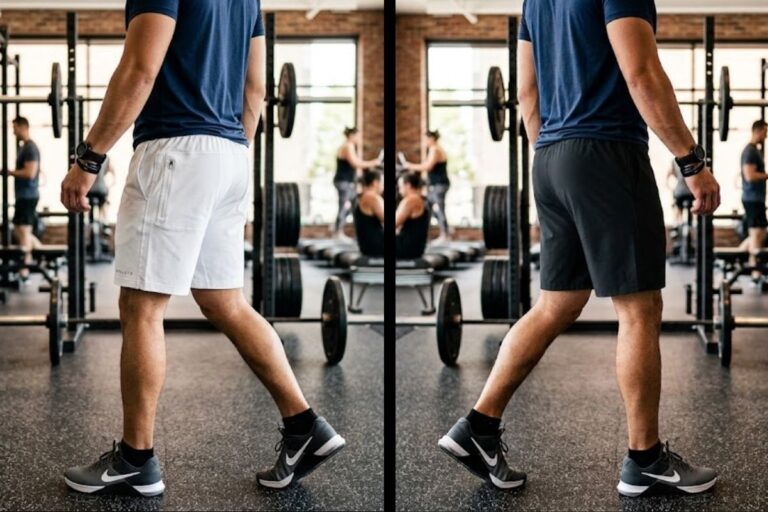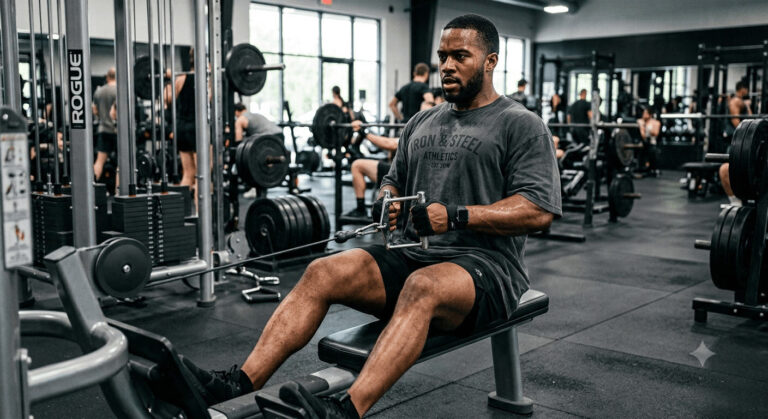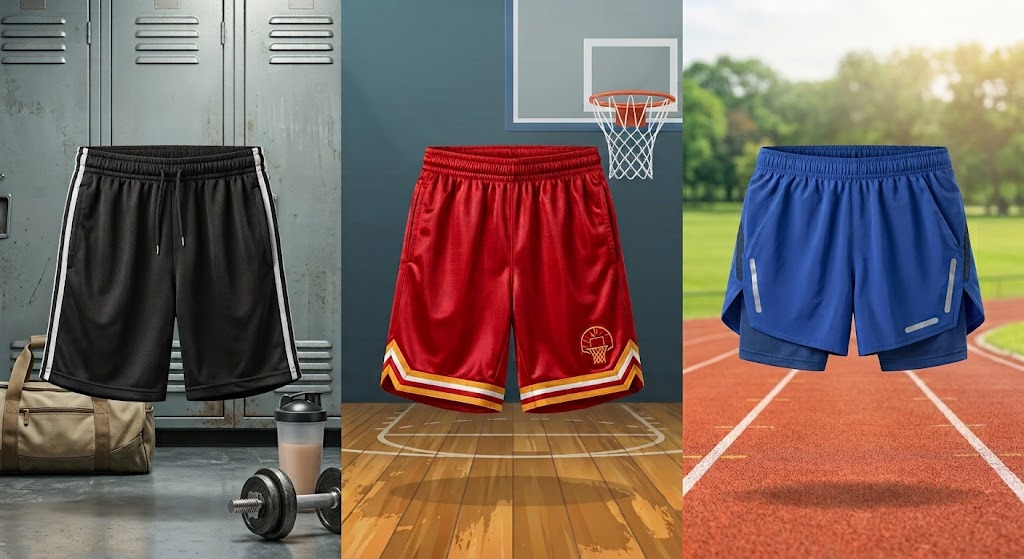
Sportswear plays a direct role in movement and comfort. People wear different shorts for different training styles. The choice affects speed, sweat control, and flexibility. Three main types dominate active wear. These are gym shorts, basketball shorts, and running shorts.
Each design supports a specific type of movement. Many users mix these shorts without understanding the difference. That choice affects training comfort and performance.
This guide explains the key differences between gym shorts, basketball shorts, and running shorts. It also helps you pick the right pair for each activity.
What Are Gym Shorts
Gym shorts support general fitness training. People wear gym shorts for weight training, cardio, and machine workouts. Most gym shorts use polyester or blended fabric. These fabrics stay light during exercise. They also dry fast after sweat exposure.
Standard gym shorts measure 7 to 9 inches in inseam length. This length supports squat depth and leg movement. Gym shorts often include elastic waistbands. Some designs include pockets for small items.
Gym shorts focus on balance. They support both strength training and light cardio sessions. Do gym shorts work for all workouts? Yes, gym shorts handle most indoor training activities without restriction.
What Are Basketball Shorts
Basketball shorts support court movement. Players wear them during training and matches. Basketball shorts sit longer than gym shorts. Most designs range from 9 to 11 inches in inseam length.
The extra length supports running, jumping, and lateral movement. It also protects the upper thigh during contact. Basketball shorts use loose fit designs. This allows fast direction changes on the court.
Many basketball shorts include mesh fabric. Mesh improves airflow during intense games. Basketball shorts focus on agility and freedom. They do not focus on weight training control like gym shorts.
What Are Running Shorts
Running shorts focus on speed and light weight movement. Athletes wear them for short sprints and long distance runs. Running shorts come in short inseams. Most measure 3 to 5 inches for maximum stride freedom.
These shorts reduce drag during motion. Less fabric means faster leg turnover. Many running shorts include inner liners. Liners reduce friction during long runs. Running shorts also include split side designs.
These splits increase stride range. Running shorts focus on speed efficiency. They remove extra weight from the lower body.
Fabric Differences Between the Three
Fabric choice affects performance in every sport. Gym shorts use polyester blends for flexibility and durability. Basketball shorts use mesh polyester. Mesh improves airflow during long games.
Running shorts use ultra light polyester. Some designs use nylon for faster drying. Gym shorts balance durability and comfort. Basketball shorts focus on ventilation. Running shorts focus on low weight.
Polyester remains common across all three categories. It supports sweat control and quick drying. Cotton rarely appears in running shorts. It absorbs sweat and slows movement.
Fit and Length Differences
Fit changes performance across sportswear types. Gym shorts use a medium fit. This supports both lifting and cardio. Basketball shorts use loose fit. This supports wide movement during jumps and sprints.
Running shorts use tight or slim fit. This reduces air resistance during motion. Length also changes performance. Gym shorts stay mid length. Basketball shorts go longer. Running shorts stay short. Shorter length increases speed. Longer length increases coverage and comfort.
Movement and Performance
Movement defines the purpose of each short type. Gym shorts support controlled movements like squats and presses. Basketball shorts support explosive movement. Players jump, pivot, and sprint on the court.
Running shorts support continuous forward motion. Runners maintain rhythm over long distances. Gym shorts stay stable during static lifts. Basketball shorts move freely during contact sports.
Running shorts stay light during endurance runs. Which shorts work best for gym training? Gym shorts perform best for weight training and general fitness.
Breathability and Airflow
Airflow affects comfort during exercise. Gym shorts use moderate ventilation zones. Basketball shorts use mesh panels for high airflow. This helps during long games. Running shorts use maximum airflow design.
Lightweight fabric improves cooling during runs. Heat builds quickly during workouts. Breathable shorts reduce sweat buildup. Running shorts stay coolest due to minimal fabric coverage.
Sweat Control and Drying Speed
Sweat management changes comfort levels. Gym shorts dry fast after workouts. Polyester blends support this function. Basketball shorts handle sweat through mesh design. Air passes through fabric during play.
Running shorts dry the fastest. Light fabric spreads moisture quickly. Cotton based shorts slow drying and increase weight. All three sport types avoid cotton in performance use. Fast drying fabric reduces odor and improves hygiene.
Comfort During Training
Comfort depends on fabric, fit, and movement type. Gym shorts offer balanced comfort for most workouts. Basketball shorts feel loose and airy. This supports long play sessions. Running shorts feel light and tight.
This reduces friction during running. Gym shorts stay stable during machine workouts. Basketball shorts move freely during court play. Running shorts stay minimal during cardio. Comfort changes based on activity intensity.
Durability and Long Term Use
Durability matters for frequent training. Gym shorts handle daily wear and repeated washing. Basketball shorts resist court friction and contact stress. Running shorts face less friction but undergo frequent sweat exposure. Gym shorts use reinforced stitching. Basketball shorts use strong mesh panels. Running shorts use lightweight seams. Gym shorts last longer in mixed training routines.
Pockets and Storage
Pocket design varies across shorts. Gym shorts often include pockets for phones and keys. Basketball shorts include side pockets in casual versions. Running shorts include small pockets or zip storage. These hold keys or gels. Storage needs depend on sport type. Gym users carry more items than runners.
Use Cases for Each Short Type
Each short type fits specific activities. Gym shorts fit weight training, cardio machines, and fitness classes. Basketball shorts fit games, practice drills, and court training. Running shorts fit sprints, marathons, and long distance runs. Mixing these shorts reduces performance quality. Each design supports a specific movement style.
Weather Impact on Shorts Choice
Weather affects performance during training. Hot weather increases sweat output. Running shorts perform best in high heat. Minimal fabric improves cooling. Basketball shorts work well indoors and outdoor courts. Mesh helps air circulation. Gym shorts adapt to indoor gyms and controlled environments. Cold weather reduces sweat levels. Layering works better in such cases.
Style Differences
Style varies across sportswear categories. Gym shorts look simple and functional. Basketball shorts look bold and sporty. They often feature team colors and logos. Running shorts look minimal and performance focused. Gym shorts work in both gym and casual wear. Basketball shorts fit street style outfits. Running shorts focus only on sport use.
Weight and Efficiency
Weight affects movement speed. Running shorts stay the lightest. Gym shorts carry medium weight. This supports stability during lifting. Basketball shorts carry more fabric weight. This supports coverage and movement. Lower weight improves running speed. Higher weight improves coverage and protection.
Final Comparison
Gym shorts support general training. They balance comfort, durability, and movement. Basketball shorts support court sports. They focus on airflow and loose movement.
Running shorts support speed training. They focus on light weight and efficiency. Each type serves a clear purpose. Gym shorts work best for mixed fitness routines. Basketball shorts work best for court sports.
Running shorts work best for endurance and speed training. Choose based on training style, movement type, and comfort needs. The right shorts improve every workout session.