Most people train in clothes that do not suit their workouts. Heavy shirts slow movement. Tight joggers restrict stretching. Poor sportswear creates discomfort during exercise.
Good training clothes support the body during every session. They help athletes move freely and stay focused. Strong sportswear also lasts longer through daily use.
At Athlete Sportswear, performance comes first in every design. Activewear should stay light, flexible, and comfortable from start to finish.
These seven rules help athletes choose better sportswear for training.
Rule 1. Choose Fabric That Handles Sweat
Sweat affects comfort fast during training.
Cotton absorbs moisture and stays wet longer. Wet fabric feels heavy on the body. It also sticks to the skin during movement.
Polyester blends work better for activewear. These fabrics move sweat away from the body and dry faster.
Quick-dry material keeps athletes comfortable during long sessions. This matters during running, gym workouts, and outdoor training.
Dry clothing also reduces skin irritation. Wet fabric rubbing against the body creates discomfort around the arms and legs.
Many athletes notice better comfort after changing fabric type. Lightweight material supports easier movement and better focus.
Check clothing labels before buying sportswear. Look for polyester blends or moisture-wicking fabric made for exercise.
Rule 2. Match Clothing to Your Workout
Different workouts need different clothing.
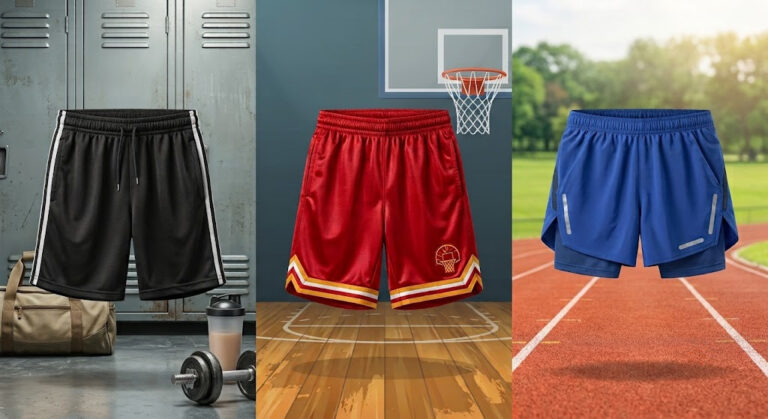
Running needs light shorts and breathable tops. Heavy fabric creates extra heat during long runs.
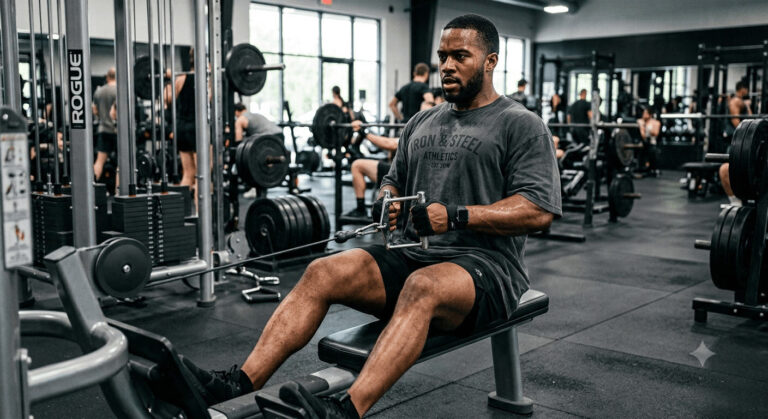
Strength training needs flexible clothing. Squats, lunges, and stretching require free movement.
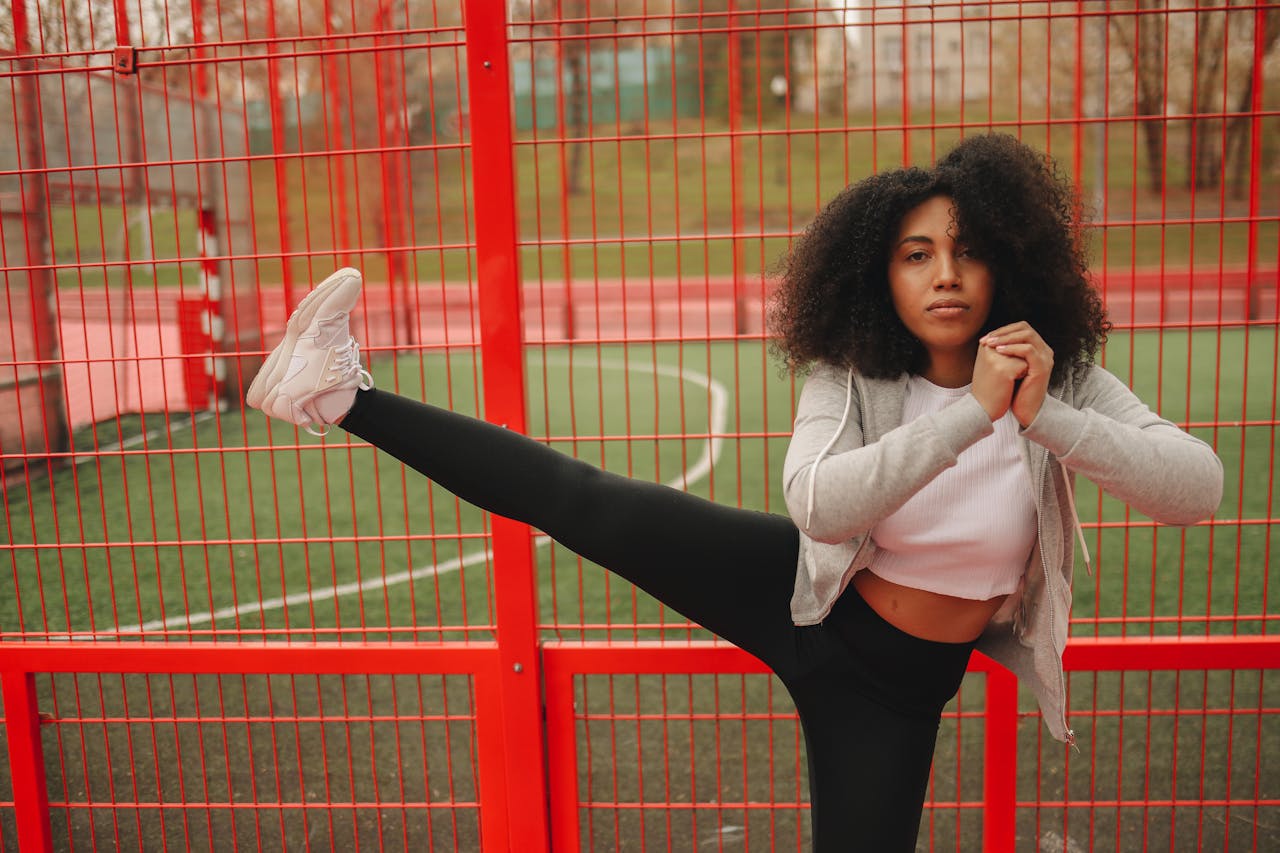
Yoga sessions need soft and stretchable material. Tight fabric restricts movement during poses and mobility work.
Outdoor training also changes clothing needs. Cold weather workouts need layers. Summer sessions need lighter gear.
One outfit does not suit every training style.
Matching clothing to the workout improves comfort and movement. Athletes also spend less time adjusting clothing during exercise.
A simple workout wardrobe works well for most people:
- One running outfit
- One gym training set
- One recovery outfit
Strong basics support daily training without unnecessary spending.
Rule 3. Focus on Fit, Not Size Labels
Size labels often vary between brands.
A medium shirt from one company may fit differently from another. Fit matters more than the label.
Good sportswear allows natural movement. Loose clothing shifts during exercise. Tight clothing restricts stretching and lifting.
Test movement before buying activewear.
Raise your arms. Bend your knees. Stretch forward. Walk around for a few minutes.
The clothing should stay comfortable during every movement.
Waistbands should stay secure without digging into the skin. Sleeves should move naturally with the shoulders and arms.
Good fit supports better training sessions. Athletes feel more comfortable and focused during workouts.
Fit affects performance more than appearance.
Rule 4. Check Stitch Strength
Strong stitching increases the life of sportswear.
Training clothes face constant pressure during movement. Weak seams tear faster around the shoulders, waist, and thighs.
Good activewear uses strong stitching in high-stress areas. Double stitching improves durability during daily use.
Flat seams also improve comfort. Raised seams rub against the skin during long sessions.
This becomes important during running, cycling, and gym training.
Poor stitching often leads to faster damage. Replacing sportswear repeatedly costs more over time.
Check the inside seams before buying new gear. Strong stitching should look neat and firm without loose threads.
Quality construction supports long-term use.
Rule 5. Pick Breathable Designs
Body temperature rises quickly during exercise.
Heavy clothing traps heat and increases discomfort. Breathable sportswear improves airflow during training.
Many activewear brands use mesh panels in high-heat areas. These zones release heat from the back, chest, and underarms.
Short-sleeve and sleeveless tops also improve cooling during summer workouts.
Lightweight clothing helps athletes stay comfortable for longer periods.
Better airflow supports stronger focus during exercise. Athletes spend less time feeling overheated and distracted.
Breathable designs work well during:
- Running
- Gym sessions
- Cycling
- Outdoor sports
- Group training classes
Cooling support becomes even more important during hot weather.
Rule 6. Choose Light Colors for Heat Control
Color affects body temperature during outdoor workouts.
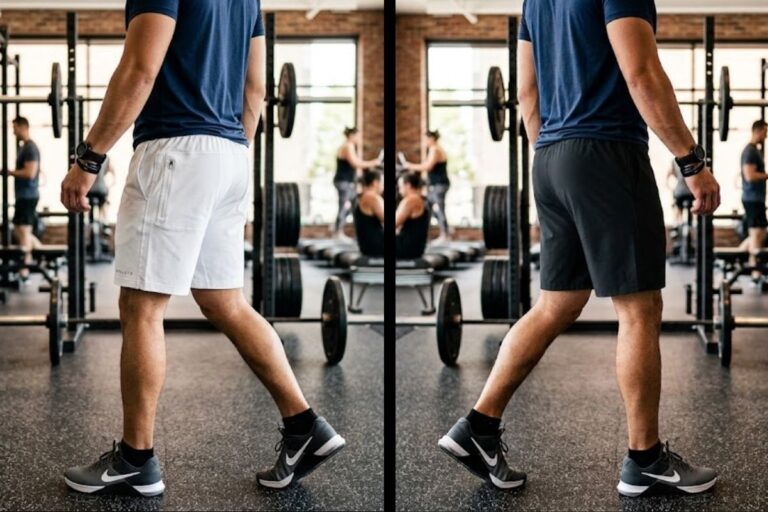
Dark clothing absorbs more sunlight. Black shirts and dark joggers often feel hotter during daytime training.
Light colors reflect heat and stay cooler on the body.
White, grey, and soft tones work well during summer sessions. Many athletes switch to lighter colors during warmer months.
This small change improves comfort outdoors.
Light colors also work well during walking, cycling, and team sports.
Dark colors still suit indoor training and cooler weather. The training environment should guide color choices.
Simple decisions improve workout comfort without changing exercise routines.
Rule 7. Keep Your Sportswear Clean and Fresh
Clean sportswear supports better training.
Sweat damages fabric over time. Odor also builds up after repeated use.
Wash sportswear after every workout. Fresh clothing feels more comfortable during training.
Use cold water during washing. Hot water weakens stretch fabric and elasticity.
Air drying also helps clothing keep its shape. High dryer heat damages many activewear materials.
Separate gym wear from rough fabrics like denim and towels. This reduces wear during washing cycles.
Clean gear lasts longer and performs better.
Athletes also feel more confident in fresh clothing during workouts.
Build a Smart Training Wardrobe
A strong workout wardrobe does not need many items.
Start with a few reliable pieces. Buy clothing that suits your training style and schedule.
Choose strong basics first:
- Running shorts
- Breathable shirts
- Flexible joggers
- Comfortable recovery wear
- Quality matters more than quantity.
Cheap sportswear often loses shape quickly. Weak fabric also wears out faster during regular use. Strong activewear supports long-term training and daily comfort. Neutral colors also make outfit choices easier. Simple designs work across different workouts and training environments.
Focus on comfort, movement, and durability during every purchase.
Good sportswear improves every training session. It supports movement, manages sweat, and increases comfort during exercise. Simple choices create better results over time. Focus on fabric, fit, stitching, breathability, and durability. Match clothing to the workout and weather conditions.
At Athlete Sportswear, every design supports comfort, movement, and daily performance. The right gear helps athletes train with focus and consistency every day.