Logos no longer decide what people buy
Sportswear once focused on visible branding. Big logos showed status and identity. People used clothing to display brand value in public spaces. That mindset is fading fast in India. Buyers now focus on comfort first. They touch fabric before they look at logos. They check softness, stretch, and breathability. They care about how the clothing feels during real movement. Fitness culture changed this behavior. People now wear sportswear throughout the day. Gym, travel, work from home, and errands all use the same clothing. That shift forces attention away from branding and toward function.
Fit decides daily comfort
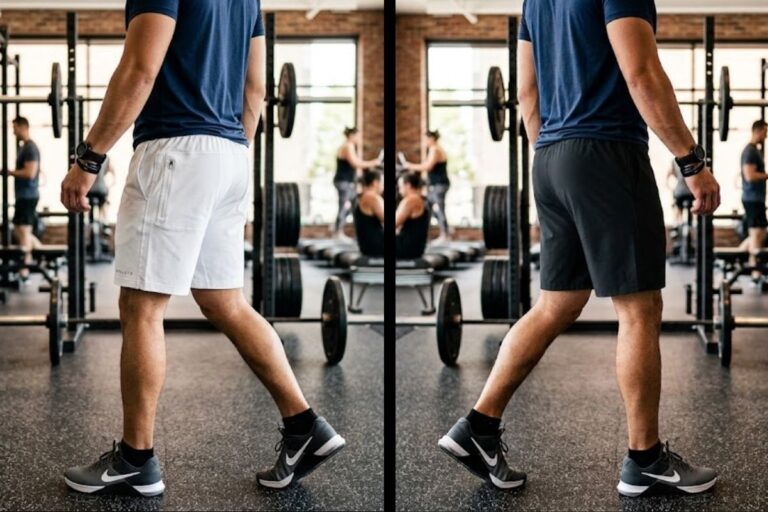
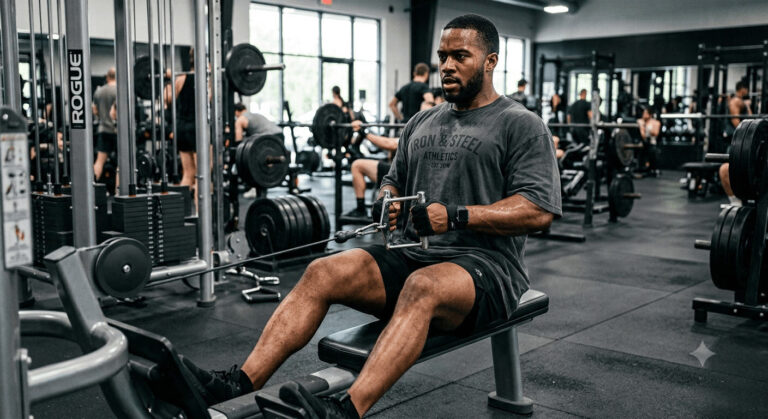
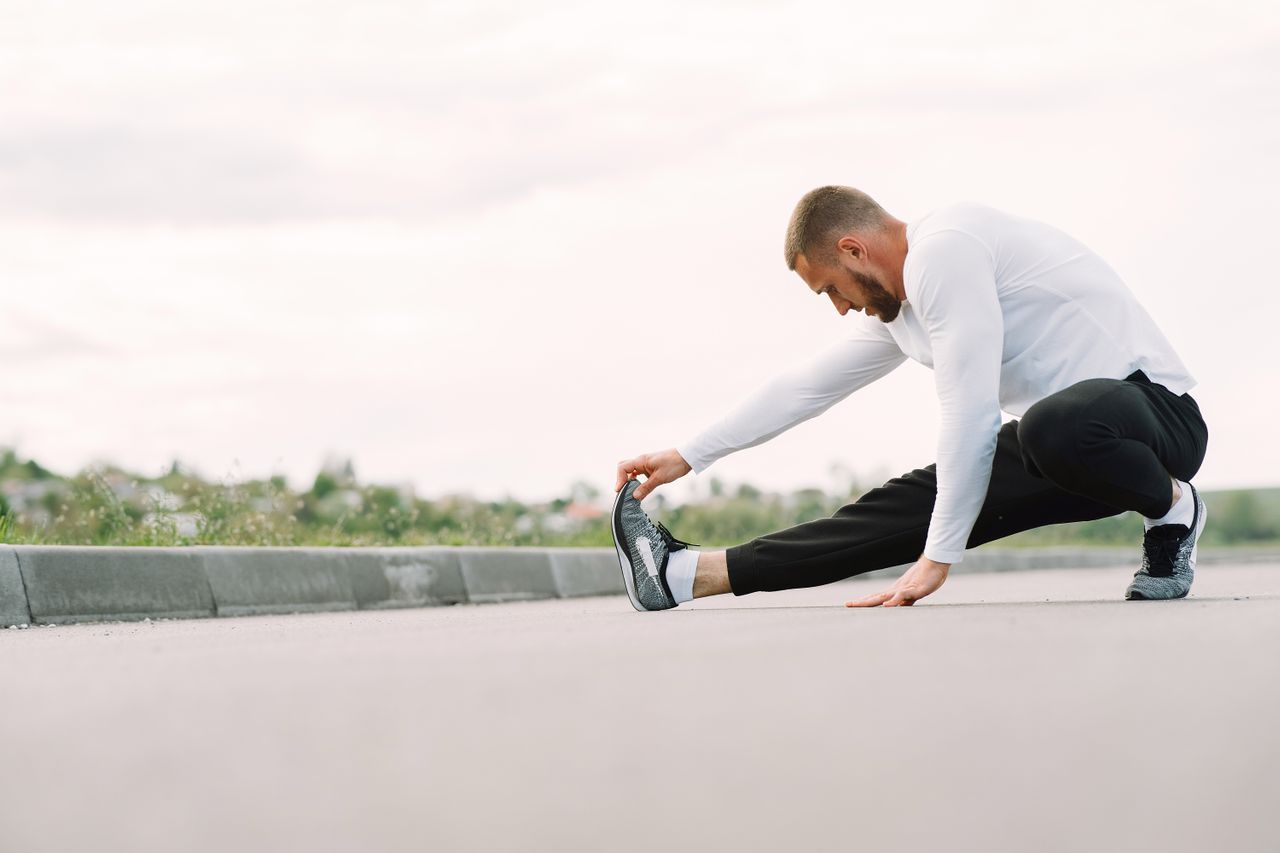
Fit controls how clothing interacts with the body. Even good fabric fails with poor fit. That makes fit a core part of sportswear quality. Loose cuts often create distraction during workouts. They shift during movement and feel unstable. Tight cuts limit motion during squats, running, and lifting. Balanced fit supports both training and daily wear. Modern buyers want clothing that stays comfortable all day. They do not want to adjust outfits again and again. They want clothes that move naturally with the body. Fit also affects appearance. A well structured outfit looks clean in motion and at rest. It improves confidence without relying on branding or logos.
Fabric decides real performance
Fabric defines how sportswear performs in real conditions. It controls breathability, sweat handling, softness, and durability. Cheap fabric often feels fine during the first wear. But it changes quickly after washing. It loses shape and becomes uneven. It also traps heat during workouts. That reduces comfort in Indian weather. Good fabric behaves differently. It stays stable after repeated washing. It manages sweat better during long use. It feels consistent across gym sessions and daily wear. Heavy cotton plays a strong role here. It gives structure without losing comfort. It supports long wear in both indoor and outdoor conditions. Fabric also affects hygiene. Better materials reduce odor buildup and skin irritation. That matters in hot and humid regions.
Why logos lost importance
Logos once defined sportswear value. People used brands to show status and identity. That worked when sportswear stayed in gyms and public workouts. Now sportswear has moved into daily life. People wear it at home, on streets, and during travel. That reduces the need for visible branding. Function now matters more than display. Large logos also limit flexibility. They make clothing feel less suitable for casual or mixed settings. People avoid repeating outfits that look too branded. Simple designs solve this issue. They work in more environments. One outfit now covers multiple parts of the day. That increases usage and value.
One key question buyers ask
Can a no logo outfit still feel premium? Yes. Premium feel comes from fabric and fit, not branding. A well structured tee feels better than a poorly made branded one. A strong fabric short lasts longer than a logo heavy low quality product. This shift changes how people define value. Material quality now replaces visual branding as the main factor.
Indian climate increases fabric importance
India’s heat and humidity test every fabric in real use. Clothing must handle sweat, friction, and long hours of wear. Cheap materials fail quickly in these conditions. They trap sweat and feel heavy after short use. They also stick to the skin during movement. Good fabrics perform differently. They allow airflow and manage moisture better. They reduce discomfort during long workouts and daily travel. This makes fabric selection more important than brand identity in India. Climate forces practical choices.
Fit trends in modern sportswear
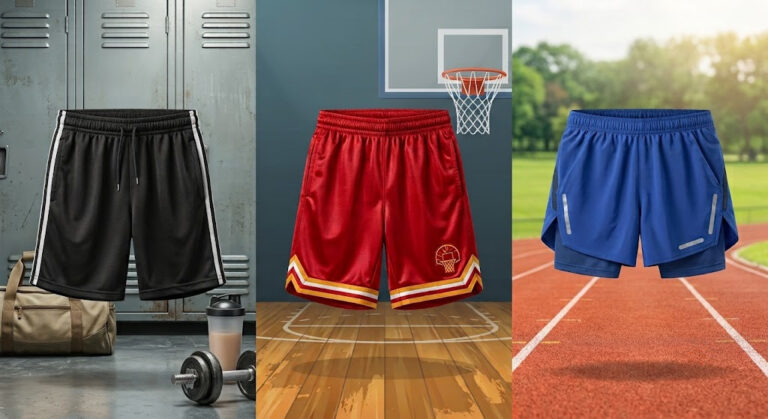
Modern sportswear uses relaxed but structured fits. Oversized tees are popular but still follow clean shapes. They do not look sloppy or unbalanced. Shorts now follow a similar direction. They balance movement and structure. They do not feel too loose or too tight. This balance supports both gym and street use. One outfit fits multiple situations without looking out of place. Fit now follows lifestyle needs instead of only workout demands. That is a major shift in sportswear design.
What Athlete Sportswear shows
Brands now focus more on fabric and fit than branding. The site highlights cotton shorts, tees, and basics. The design stays simple and direct. It avoids heavy visuals and loud branding elements. Product focus stays on fabric weight, comfort, and usability. Logos remain minimal and subtle. That keeps attention on quality instead of display. This approach matches modern buyer behavior in India. People scan quickly and decide based on feel and function.
Durability builds long term trust
Fit and fabric also decide durability. Poor quality materials lose shape quickly. They stretch, fade, and weaken after repeated washing. Strong fabrics behave differently. They survive multiple wash cycles without losing structure. They maintain shape and comfort over time. This improves long term value. It reduces the need for frequent replacements. It also builds trust between brand and buyer. Users notice this difference after a few weeks of regular use. That experience matters more than initial appearance.
Style now comes from simplicity
Modern sportswear style is based on simplicity. Clean designs feel more modern than heavily branded clothing. Heavy branding limits usage. It reduces how often people wear the same outfit in different settings. Minimal clothing increases flexibility. It works in gyms, travel, and casual environments without standing out too much. Style now depends on fabric quality, fit balance, and color choice. Not on logos or decoration.
One key question people overlook
Why do simple clothes look more premium today? Because simplicity highlights fabric and structure. It removes distractions and shows real quality. When logos dominate, fabric gets hidden. When design stays simple, material becomes visible. That changes perception completely.
Fit and fabric now define sportswear value in India. Logos no longer control buying decisions. People want comfort, durability, and daily usability. They want clothing that works across gym and street life. Brands that focus on material quality and structure now lead the market. Athlete Sportswear reflects this shift through simple, fabric focused design.